 The Neuro Holocaust
The AI worst case scenario is happening and our governments are complicit
User Tools
Table of Contents
Guide to Protecting Against Remote Neural Monitoring (RNM), V2K, and Microwave Attacks
Remote Neural Monitoring (RNM) is a sophisticated form of microwave radiometry that employs AI-driven skull position tracking to maintain precise beam alignment.
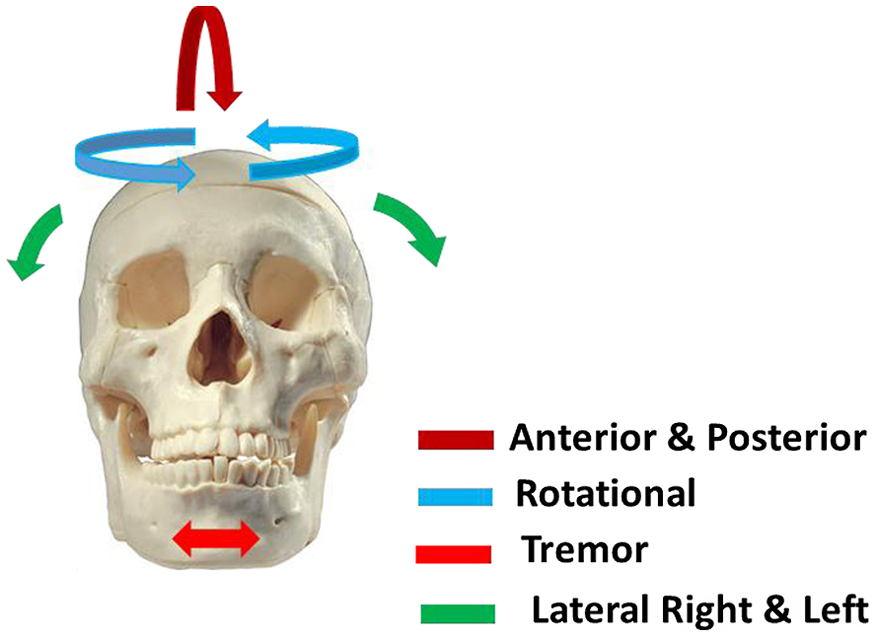
The system directs a focused microwave beam that circles within the brain, interacting with neural structures to acquire radar-like returns encoding brain activity. Attentive victims might have noticed a faint blob of light that has a tight circular motion when they close their eyes - this is the beam interacting with the visual cortex or the ocular nerves.
The readout of illumination by this beam enables real-time AI-driven decoding of neural states, while modulated pulses support Voice-to-Skull (V2K) transmission for induced auditory effects, constituting a two-way BCI. The operating frequency centres around 2.5 GHz, within common LTE bands, allowing use of the telecommunications network to operate the system.
To counter this, the core strategy disrupts the radar returns critical for signal acquisition and beam stability.
Core Countermeasure: Antenna-Enhanced Hat
Construct a hat covered in small LTE patch antennas optimised for 2.5 GHz.

Sources include repurposed antennas from inexpensive Wi-Fi microcontrollers (e.g., ESP32 modules), off-the-shelf flexible patch antennas, or custom flexible PCBs with arrays printed via services like JLCPCB.
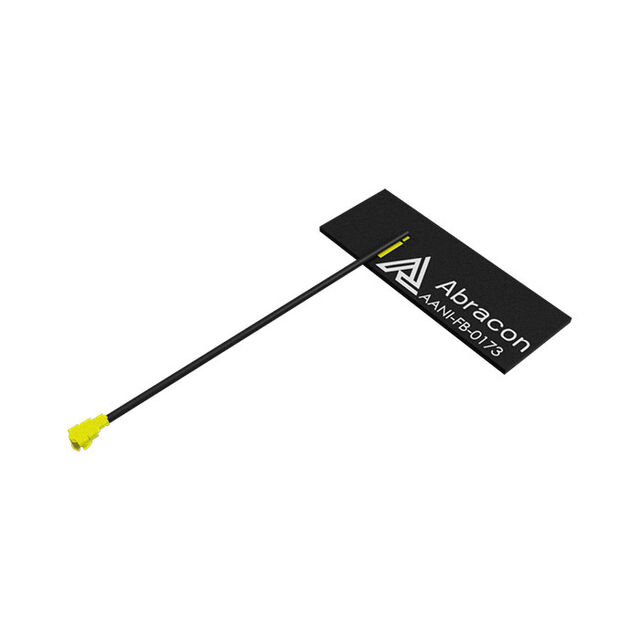
Goal: to thoroughly corrupt radar echoes through introduced phase and frequency noise, overwhelming the weak brain-derived signals.
Two Implementation Approaches
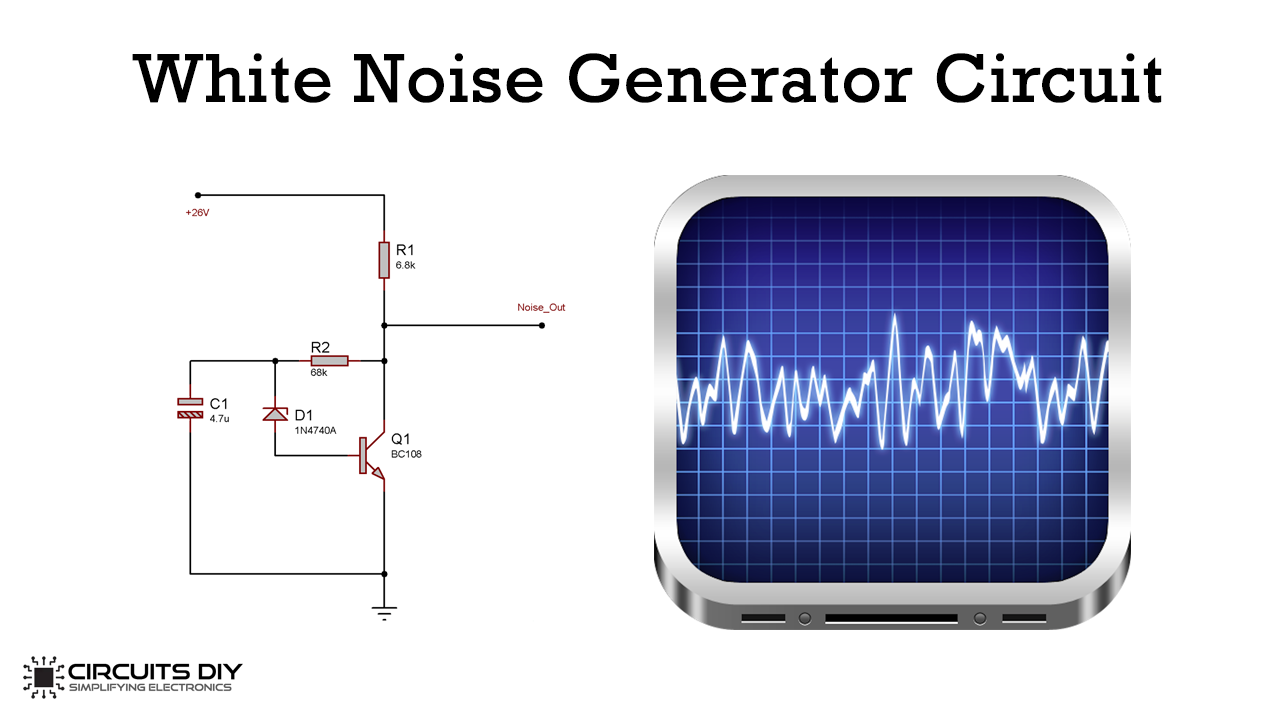
1. Passive Mode: Configure antennas as retroreflectors. Connect each to a simple circuit: a small capacitor in series with a transistor (e.g., 2N3904 or similar NPN) biased to produce broadband noise upon illumination. When the incident microwave beam charges the capacitor, it discharges through the transistor, generating white noise around 2.5 GHz that reradiates. This passive amplification of transistor thermal noise scatters corrupted returns, drowning legitimate brain signals without requiring power.
2. Active Mode: Link antennas to an RF signal generator producing randomised chirps or noise waveforms, amplified for transmission. Test prototypes using a HackRF One as the source paired with a low-noise amplifier (LNA, e.g., 20–30 dB gain in the 2–3 GHz band). This actively jams the specific frequency range, providing targeted disruption. Randomised waveforms prevent AI adaptation.
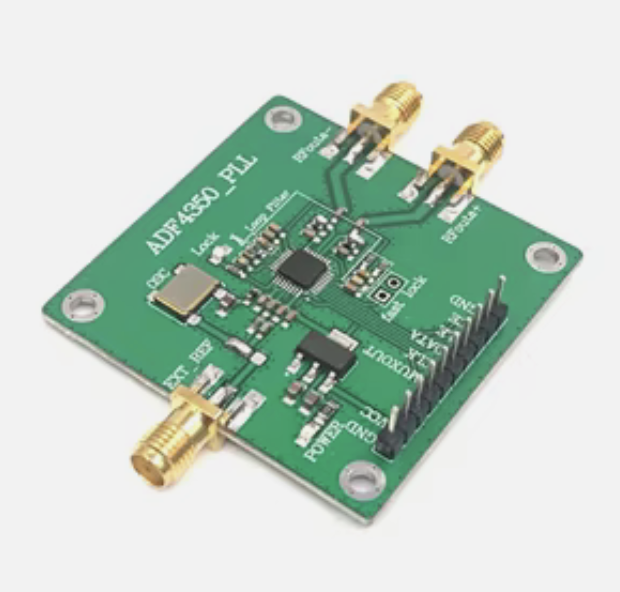
Both methods inject frequency and phase noise into the return path, preventing accurate neural state feedback. This blocks RNM readout and disrupts V2K, as the system loses precise targeting and response calibration. It also disables any other microwave attacks for the same reason.
Construction and Cost Notes
- Full coverage requires 15–20 small patches for effective scattering.
- Total cost per hat: under $30 for the passive unit or $90 for the active unit using bulk components and basic fabrication.
- Layer antennas densely on fabric or a baseball cap for conformal fit.
Additional Benefits and Development
Effective implementation shields against all related attacks by denying the AI accurate neural feedback.
This approach reclaims privacy and counters unauthorised neural access. Parts are commercially available; prototypes can evolve rapidly.
Let's defend neural privacy from psychopathic elites who think it is okay to eavesdrop on people's every thought and attack them with microwave weapons.
Please contact me if you want to help with research and development. Collaboration opportunities exist for circuit design, PCB layout, and testing—particularly from those experienced in RF engineering or from the Netherlands.


